Pi Network Makes Strategic Move Into Web3 Gaming With CiDi Games Partnership
December 1, 2025
Pi Network Expands Into Web3 Gaming
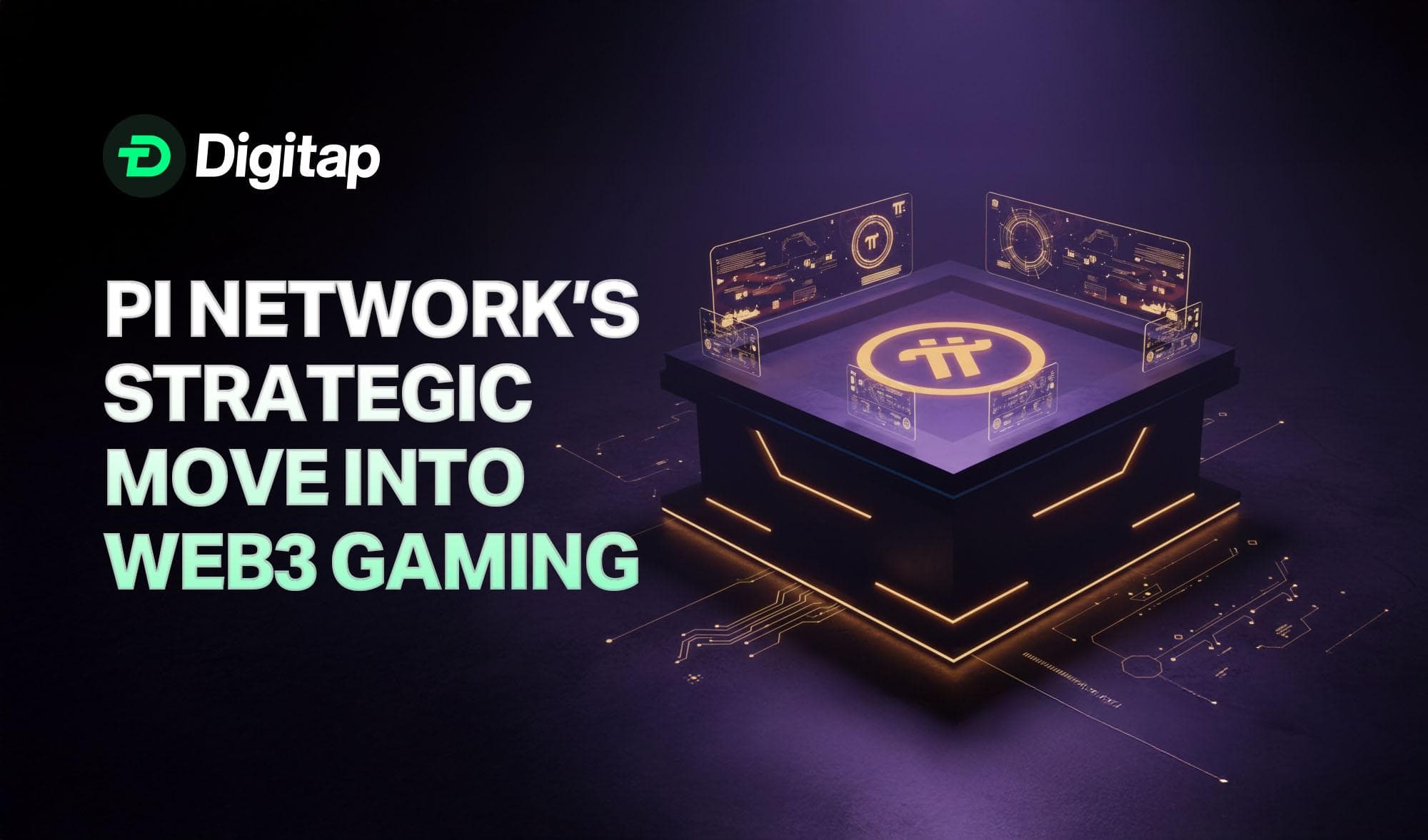
Pi Network, one of the world’s largest blockchain communities by user count, has announced a strategic partnership and investment in CiDi Games, a move signaling its official entry into Web3 gaming. The partnership, unveiled this week by the Pi Core Team, aims to develop Pi-integrated titles that will allow users to earn, spend, and trade Pi tokens across interactive gaming environments.
The agreement is being executed through Pi Network Ventures, the network’s $100 million investment arm dedicated to supporting Pi-native projects. The deal builds on prior initiatives, including hackathons, developer tooling, and the Pi Ad Network, which have collectively nurtured a growing ecosystem of Pi-based applications.
According to the Core Team, the collaboration with CiDi Games represents the next phase of Pi’s evolution, transitioning from community growth to practical, token-driven engagement. Gaming, they added, aligns naturally with Pi’s verified social user base, offering a scalable way to expand utility and drive daily on-chain activity across tens of millions of users known as “Pioneers.”
Gaming as the Next Utility Frontier for Pi
Under the agreement, CiDi Games will develop lightweight, mobile-friendly games that integrate directly with Pi Wallet, enabling in-game purchases, token rewards, and asset ownership powered by the Pi blockchain. The goal, according to the statement, is to establish gaming as a core component of Pi’s broader ecosystem, one that strengthens engagement loops between players, developers, and token-based applications.
“The Pi Network and CiDi Games partnership will help expand Pi’s use cases and accelerate developer participation,” the Core Team said. “We’re building engagement feedback loops where games attract users, daily activity drives ecosystem utility, and developers create new applications that reinforce the network’s growth.”
The partnership also aims to make gaming a key economic driver within Pi’s ecosystem, combining entertainment with the network’s existing DeFi and social applications. By leveraging CiDi’s experience in developing accessible, community-oriented titles, Pi Network hopes to create sustainable user engagement rather than short-lived speculation, supported by integrated payment systems like crypto onramp tools that simplify player transactions.

Building on Previous Ecosystem Experiments
This is not Pi’s first foray into gaming. The network has previously supported blockchain-based entertainment through hackathons and incubation programs, as well as the Pi Ad Network, which allows developers to monetize apps through Pi-based ad placements.
One of the earliest examples of Pi-integrated gaming is FruityPi, a puzzle game that utilizes Pi payments and integrates directly with Pi Wallet and Pi Ads. FruityPi’s success helped demonstrate the potential for interactive, tokenized applications within the Pi ecosystem, similar to how crypto swapping platforms improve token liquidity across decentralized networks.
The network has since rolled out additional initiatives to support developers, offering APIs and SDKs that allow seamless integration of Pi’s payment and authentication features. By partnering with CiDi Games, Pi is now scaling these early experiments into a structured, commercial-grade gaming initiative with global reach.
Pi Network Ventures and Ecosystem Support
 Official X statement from Pi Network (Source: @PiCoreTeam on X)
The partnership also underscores Pi Network Ventures’ growing role in financing ecosystem projects. Launched as a $100 million venture arm, Pi Ventures focuses on accelerating Pi-native development in areas such as DeFi, social media, and gaming.
Backing CiDi Games through this fund highlights Pi’s confidence in the platform’s development capacity and strategic alignment with the network’s mission. The Core Team noted that the collaboration fits into its long-term plan to build a self-sustaining ecosystem, where user tools, incentives, and innovation evolve together rather than as standalone products.
Industry observers say the investment could help Pi transition from a grassroots network to a mature blockchain platform with meaningful, everyday token usage. By embedding gaming into its economic structure, Pi could unlock consistent activity and deepen liquidity within its ecosystem, strengthening its decentralized entertainment economy.
Developer and Community Outlook
The Pi-CiDi Games partnership also reflects a growing focus on collaborative innovation between Pi’s developer community and its user base. Developers are expected to gain access to expanded SDKs and on-chain APIs, allowing them to integrate Pi payments and authentication systems into future games.
The Core Team has also encouraged independent studios to build complementary gaming experiences around Pi’s token economy, supported by grants, mentorship, and technical documentation through the Pi Developer Portal. Early participants will receive exposure via the Pi Browser, which serves as the network’s central application hub.
For users, the integration of Pi tokens into gaming creates a dynamic feedback system: players engage daily, developers iterate based on live user activity, and token velocity within the ecosystem increases organically. Analysts suggest this framework could give Pi a stronger foundation for real-world utility than speculative trading alone, especially as players use digital wallet integrations for seamless in-game transactions.
Industry Context and Market Momentum
 Total Locked Value (TVL) of gaming protocols. (Source: DeFiLlama)
The timing of Pi’s gaming expansion aligns with a renewed wave of interest in blockchain-based entertainment. According to DefiLlama, total value locked in gaming-related DeFi protocols has exceeded $3 million globally, while user adoption continues to rise in emerging markets, a key demographic for Pi Network’s mobile-first model.
Analysts at Messari note that Pi’s large, verified user base gives it a potential advantage over competing gaming blockchains, as it already has a built-in audience familiar with digital assets and the convenience of crypto debit card solutions that connect blockchain rewards to real-world spending.
What Comes Next
CiDi Games’ first Pi-integrated titles are expected to debut in 2026, with early beta versions potentially releasing in the first half of the year. The games will prioritize accessibility, designed to run smoothly on mobile devices while maintaining secure blockchain integration through multi-layered authentication.
Pi Network has also indicated that it will launch a developer accelerator program to support additional studios building on its infrastructure. These initiatives will likely coincide with updates to Pi’s SDKs and monetization tools, ensuring third-party developers can easily plug into the ecosystem and expand its cross-border payments capacity.
With these efforts, Pi Network appears to be positioning itself not just as a social blockchain but as a comprehensive Web3 platform capable of hosting consumer-grade entertainment, decentralized applications, and tokenized finance.
Conclusion
Pi Network’s investment in CiDi Games marks a defining step in its evolution from a social mining experiment to a full-fledged blockchain ecosystem. By focusing on gaming, Pi is betting on an industry where digital ownership, engagement, and decentralized economies naturally converge.
If the partnership delivers on its promise, Pi Network could emerge as one of the first global blockchain platforms to successfully merge entertainment with real-world token utility, a development closely followed across latest crypto news and the wider DeFi community.
Share Article

Ajumoke Babatunde Lawal
Ajumoke is a seasoned cryptocurrency writer and markets analyst committed to delivering high-quality, in-depth insights for traders, investors, and Web3 enthusiasts. She covers the evolving landscape of blockchain technology, cryptocurrencies and tokens, decentralized finance (DeFi), crypto derivatives, smart contracts, non-fungible tokens (NFTs), real-world assets (RWAs), and the growing intersection of artificial intelligence and blockchain innovation. Ajumoke has contributed to leading crypto publications and platforms, offering research-driven perspectives on derivatives markets, on-chain activity, regulations, and macroeconomic dynamics shaping the digital asset ecosystem.